


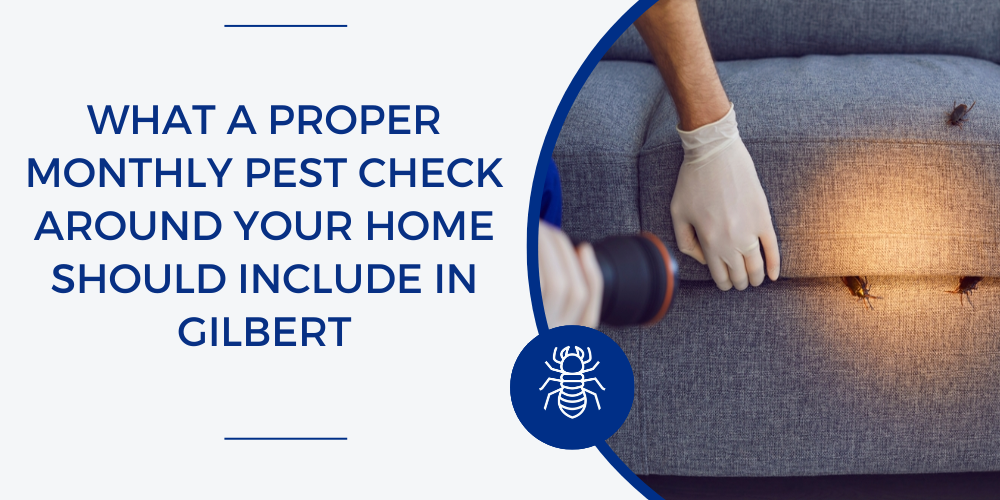
Many homeowners only think about pest control once they start seeing ants in the kitchen, roaches in the garage, or unexpected scorpion activity. By that point, the issue has often already developed beyond a minor concern. In Gilbert, pest activity doesn’t follow a strict season. The desert climate allows insects and arachnids to remain active for most of the year, which means prevention needs to be consistent rather than reactive. A structured monthly pest inspection checklist provides a clear, repeatable process to stay ahead of problems by helping you understand what to check each month, where to focus your attention, and how to maintain a reliable DIY pest control routine. Routine inspection remains one of the most effective ways to manage pest prevention Gilbert, AZ homeowners deal with throughout the year.
Why Monthly Pest Checks Matter in Gilbert
Pest control in Arizona is less about seasonal treatment and more about continuous awareness.
- Year-round activity: Unlike colder regions, pests in Gilbert don’t fully disappear during winter.
- Rapid environmental shifts: Temperature spikes, monsoon moisture, and dry periods can quickly increase activity.
- Early detection advantage: Catching signs early reduces the need for aggressive treatments later.
A consistent home pest check steps approach helps you identify small changes before they turn into larger infestations. This preventative mindset is what keeps pest pressure manageable over time.
Start With the Exterior Foundation
Most pest issues begin outside before making their way indoors, which is why your first step should always be the perimeter of your home. Walk around the structure carefully and observe any cracks along the foundation, as these can serve as easy entry points. It’s also important to check for gaps around pipes, vents, and utility lines, where small openings are often overlooked. Openings near door frames and wall edges should be examined closely as well, since these areas frequently allow pests to move inside. The goal is to identify where pests can enter, not just where they are already visible. Even minor openings can become access points for ants, spiders, and scorpions if left unaddressed.
Inspect Garage and Entry Zones
Garages often act as a transition space between outdoor pest activity and the interior of your home, making them a key area to inspect each month. Pay close attention to garage door seals and side gaps, as even small openings can allow pests to enter. Corners where debris tends to collect should also be checked, since they can provide shelter and go unnoticed for long periods. Storage areas with boxes or clutter create additional hiding spots and should be reviewed regularly. These zones frequently show early signs of pest movement, and if pests are making their way inside, the garage is often where you’ll notice it first.
Check for Moisture and Water Sources
In a desert environment, moisture is a major attractant, and even small amounts of water can draw pests toward your home. During your inspection, check for leaks around outdoor faucets or hose connections, as these can create consistent moisture without being immediately noticeable. It’s also important to observe whether irrigation systems are overspraying onto the foundation, as this can unintentionally create ideal conditions for pest activity. Standing water near walls, planters, or other areas around the home should not be overlooked, as it can quickly attract insects. Ants, roaches, and similar pests actively seek out moisture, making water management a critical part of any effective DIY pest control routine.
Review Landscaping Around the Home
Your yard can either help prevent pests or create the perfect conditions for them. Take time to observe whether bushes or plants are touching exterior walls, as this can create direct pathways for pests to move toward the structure. Dense vegetation should also be evaluated, since it provides shaded shelter where insects and other pests can remain protected throughout the day. Rock and gravel areas deserve attention as well, as they tend to retain heat and can attract certain types of pests. When landscaping is positioned too close to the home, it offers both cover and easy access. Keeping plants trimmed back and maintaining some distance from the structure helps reduce pest activity around key entry points.
Monitor Common Indoor Entry Points
Indoor checks don’t need to be complicated. The focus should remain on observation rather than heavy treatment. Take time to inspect baseboards along walls, areas under sinks, laundry rooms, and the edges of patio doors and windows, as these are common entry points where early signs of pest activity may appear. Instead of looking only for visible pests, pay attention to subtle indicators such as repeated movement or activity in the same areas. These small patterns often signal developing issues before they become more noticeable.
Look for Early Signs of Pest Activity
A simple checklist approach makes this step easier to follow each month:
- Droppings or debris in corners
- Unusual insect movement during the day
- Increased activity around lights at night
- Repeated sightings in the same location
These indicators often appear before a full infestation develops. Recognizing patterns early is key to effective control.
Pay Special Attention to Scorpion-Prone Areas
Scorpions are a major concern in Gilbert, so your inspection should always include a targeted scorpion prevention routine. Focus on areas where they are most likely to hide or travel, such as garage corners, wall edges, and exterior foundation lines. It is also important to check areas where crickets are present, as they serve as a primary food source and can attract scorpions closer to your home. Dark, undisturbed spaces both inside and outside the home should not be overlooked, as these environments provide ideal shelter. Reducing hiding spots and limiting access to food sources plays a significant role in lowering the likelihood of scorpion activity over time.
Maintain a Consistent Perimeter Barrier
A strong perimeter barrier is one of the most reliable ways to prevent pests from entering your home. Each month, take time to assess whether previous treatments are still performing effectively and reapply where necessary, particularly along foundation edges. Pay close attention to key access points such as doorways, garage areas, and other common entry zones where pest movement is more likely. Granules and targeted sprays are commonly used to maintain this barrier, but the focus should remain on consistent coverage rather than over-application. Regular, measured treatment ensures long-term effectiveness without unnecessary product use.
Simple Monthly Routine Structure
Keeping your routine simple makes it easier to stay consistent.
Monthly checklist:
- Walk the perimeter of your home
- Inspect entry points and foundation lines
- Check for moisture sources
- Review garage and indoor areas
- Look for early signs of pest activity
Seasonal adjustments:
- Increase checks during monsoon season
- Pay closer attention during sudden temperature changes
Consistency is what makes this system effective, not intensity.
When to Seek Product Guidance
Even with a consistent routine in place, there are situations where additional guidance becomes important. If pest activity increases suddenly, it may indicate a change in environmental conditions or a gap in your current approach. Similarly, noticing multiple types of pests at the same time can suggest a broader issue that requires a more targeted solution. Uncertainty around which products to use is another common reason to seek advice, especially since different pests and conditions often require specific treatments. Choosing the right solution early helps avoid wasted time, unnecessary applications, and ineffective results. A more informed approach ensures that your efforts remain efficient and contribute to better long-term pest control.
Conclusion
A structured monthly pest check allows you to stay ahead of pest activity instead of reacting to it. In Gilbert’s desert environment, small environmental changes can quickly influence pest behavior. That’s why consistency and awareness matter more than occasional treatment. By following a clear monthly pest inspection checklist, you reduce long-term pest pressure, protect your home, and maintain a more comfortable living environment. For locally suited solutions and guidance, visit Bug & Weed Mart to find DIY pest control routine products designed specifically for Arizona conditions.