


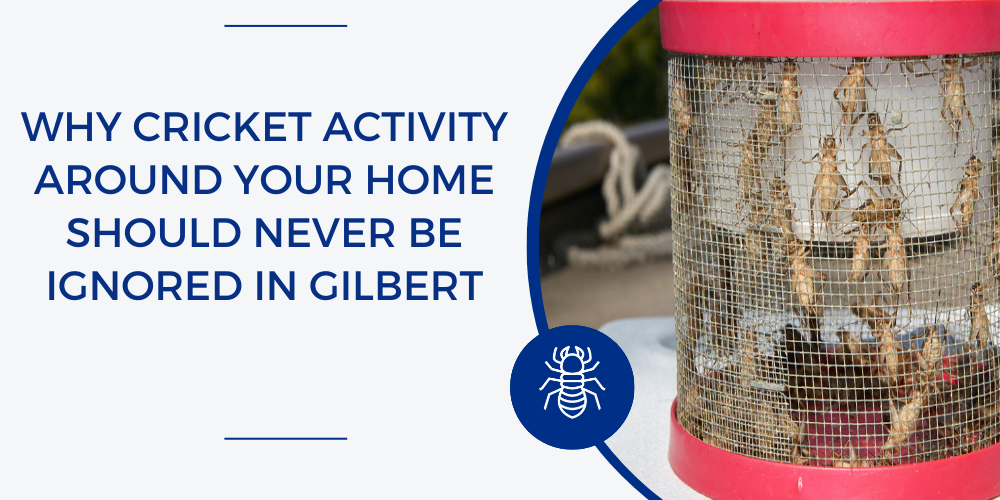
Many Gilbert homeowners view crickets as little more than an occasional nuisance. They may notice a few insects around outdoor lights, hear chirping at night, or find crickets hiding in garages and storage areas. Because crickets do not typically cause the same level of concern as scorpions or cockroaches, their presence is often overlooked. In Arizona, however, increased cricket activity can signal larger pest conditions developing around the home. Crickets thrive in environments that provide moisture, shelter, and food sources. When those conditions are present, other pests often benefit as well. Crickets are not only pests themselves. They also serve as a major food source for scorpions and various predatory insects. As cricket populations increase, the likelihood of attracting predators can increase alongside them. Understanding why cricket activity around the home matters can help homeowners identify developing pest issues earlier. By recognizing what attracts crickets and addressing favorable conditions, it is often possible to reduce overall pest pressure before larger problems emerge.
Why Crickets Thrive Around Gilbert Homes
Gilbert's desert climate creates unique pest activity patterns throughout the year. While many people associate insects with humid regions, several species of crickets are well adapted to Arizona's environment.
Warm Desert Temperatures Support Activity
Arizona's long periods of warm weather allow crickets to remain active for much of the year. Unlike colder climates, where insect activity declines significantly during winter months, desert conditions often support extended periods of movement and reproduction.
Moisture Sources Improve Survival
Although crickets tolerate dry conditions, they still seek out moisture whenever possible. Irrigation systems, dripping faucets, condensation, and damp landscaping areas provide ideal environments for survival. Even small moisture sources around foundations, garages, and patios can contribute to increased insect activity.
Outdoor Lighting Attracts Nighttime Insects
Many cricket species are active after sunset. Exterior lighting attracts various insects during the evening, creating areas of concentrated activity around doors, garages, patios, and entryways. As insect activity increases around lighting, crickets often move into these areas to feed and shelter.
Garages and Shaded Areas Provide Shelter
During the hottest parts of the day, crickets seek cooler, protected environments. Garages, storage rooms, shaded landscaping, and covered patios offer ideal hiding places where temperatures remain more moderate. These sheltered locations often become recurring activity zones if environmental conditions remain favorable.
Why Cricket Activity Should Not Be Ignored
A few crickets around the property may not seem significant. However, growing cricket populations can contribute to larger pest issues over time.
Crickets Reproduce Quickly
When food, shelter, and moisture are readily available, cricket populations can expand rapidly. What begins as occasional sightings can gradually become a more noticeable issue around the property.
Increased Populations Raise Overall Pest Pressure
Larger numbers of insects create additional pest pressure around the home. More insect activity means more opportunities for pests to move toward entry points, garages, storage areas, and outdoor living spaces.
Activity Often Spreads Indoors
Crickets frequently enter homes through gaps beneath doors, foundation cracks, garage openings, and utility penetrations. Once inside, they often move into dark, quiet areas where they remain hidden during daylight hours.
Crickets Can Be an Early Warning Sign
One of the most important reasons not to ignore cricket activity is that it often reflects changing environmental conditions around the property. Increased moisture, excess vegetation, structural gaps, and favorable shelter conditions that attract crickets may also support other pest species. In many cases, crickets serve as an early indicator that conditions around the home are becoming more hospitable to pests overall.
Crickets Are a Major Food Source for Scorpions
One of the strongest reasons to address cricket activity in Gilbert is the connection between crickets and scorpions. Scorpions actively hunt insects, and crickets are among their preferred food sources. Areas that support large cricket populations often become attractive hunting grounds for scorpions. When cricket activity increases around foundations, garages, patios, and landscaping, scorpions may spend more time searching these same areas for food. This relationship does not mean that every cricket problem leads directly to scorpion activity. However, reducing prey populations is an important component of long-term scorpion prevention. Many homeowners searching for scorpion prevention in Gilbert focus primarily on the scorpions themselves. Equally important is reducing the insect populations that help sustain them.
Areas Around the Home That Commonly Attract Crickets
Understanding where crickets prefer to gather can help homeowners identify conditions that support ongoing activity.
Garage and Storage Areas
Garages often provide everything crickets need:
- Darkness
- Protection from the weather
- Cooler temperatures
- Reduced disturbance
Stored boxes, equipment, and clutter create additional shelter opportunities.
Irrigation Near Foundations
Moist soil near the foundation frequently attracts insects. Overwatering, irrigation overspray, and poor drainage can create ideal survival conditions for crickets. Areas that remain damp for extended periods deserve particular attention.
Outdoor Lighting
Exterior lighting draws numerous insects after dark. As insect activity concentrates around lights, crickets often become more active nearby as well. Entryways, garage lights, landscape lighting, and patio fixtures can all contribute to nighttime insect movement.
Landscaping and Rock Beds
Rock landscaping, ground cover, decorative vegetation, and shaded planting beds provide protection from heat and predators. These areas often remain cooler than exposed surfaces and can become important daytime shelter locations for crickets.
Why Cricket Activity Often Increases After Weather Changes
Many homeowners notice sudden increases in insect activity following changes in weather patterns.
Humidity Increases After Rain
Although Gilbert receives relatively limited rainfall, even short periods of precipitation can significantly influence insect behavior. Higher humidity levels improve survival conditions for many insects, including crickets.
Cooler Evenings Affect Movement Patterns
As temperatures become more comfortable during evenings, crickets often become more active and visible around the property. This is especially noticeable during seasonal transitions when daytime heat begins to moderate.
Moisture Builds Up Around the Home
Rainfall, irrigation adjustments, and seasonal humidity changes can create temporary moisture sources that support insect populations. These conditions often encourage increased movement around foundations, landscaping, patios, and garages.
Signs Cricket Activity May Be Increasing Around Your Home
Monitoring pest activity early can help homeowners identify developing issues before populations grow.
Watch for the following signs:
- Increased chirping sounds during the evening
- More insects are gathering near the garage doors
- Activity around outdoor lighting fixtures
- Crickets appearing on patios and walkways
- Crickets hiding in storage areas
- Greater nighttime insect movement overall
- More insect sightings near foundations and landscaping
A noticeable increase in any of these signs may indicate that conditions around the property are becoming more favorable for pests.
Practical DIY Steps to Reduce Cricket Activity
Reducing cricket activity often begins with addressing the environmental conditions that support them.
Reduce Moisture Around the Home
Inspect irrigation systems regularly and correct areas where water accumulates unnecessarily. Repair leaks, improve drainage, and avoid overwatering near foundations whenever possible.
Manage Outdoor Lighting
Reduce unnecessary lighting during late evening hours when practical. Consider lighting options that minimize insect attraction around doors, garages, and outdoor gathering spaces.
Keep Garage and Storage Areas Organized
Clutter creates additional hiding locations for insects. Maintaining organized storage areas and reducing unnecessary shelter zones can make garages less attractive to crickets.
Maintain Exterior Perimeter Protection
Targeted perimeter treatments and properly applied insect control products can help reduce activity around the home's exterior. Treatments are often most effective when combined with moisture reduction and habitat modification.
Monitor High-Activity Areas
Glue boards and monitoring devices can help identify where activity is concentrated. Regular monitoring provides valuable insight into changing pest patterns and helps homeowners evaluate the effectiveness of prevention efforts.
Why Controlling Crickets Helps Reduce Larger Pest Problems
Cricket management is about more than eliminating a single insect species. Reducing cricket populations can help reduce food availability for predators such as scorpions. It can also lower overall insect activity around the property, making the environment less attractive to a variety of pests. Addressing cricket activity early supports a broader pest prevention strategy that focuses on long-term environmental management rather than reacting only after problems become severe. By understanding how different pest species interact with one another, homeowners can take a more proactive approach to protecting their property.
Why Consistency Matters More Than Occasional Treatment
Pest activity in Gilbert changes throughout the year as weather conditions, moisture levels, and environmental factors shift. Because these conditions are constantly changing, occasional treatment alone is rarely enough to maintain long-term control. Consistent monitoring and prevention efforts tend to produce better results than waiting for activity to become obvious. Simple adjustments such as improving moisture management, reducing shelter areas, monitoring activity zones, and maintaining perimeter protection can create lasting improvements over time. Small preventive actions performed regularly often have a greater impact than reactive measures taken after pest populations become established.
Conclusion
Cricket activity around Gilbert homes should never be ignored because it often signals favorable conditions for larger pest problems. Moisture, shelter, outdoor lighting, and changing weather patterns all influence cricket populations throughout the year. As cricket activity increases, so does the potential for attracting predators such as scorpions and other pest species. Consistent monitoring, habitat management, and preventive action help reduce cricket activity before it expands into a larger issue. For locally suited DIY pest control products and practical guidance designed specifically for Arizona homes, visit Bug & Weed Mart.