


Now that Arizona temperatures are finally dropping, you may notice fewer bugs crawling around outdoors. So where do they go? Some pests move indoors to escape the cold; others have ways to survive the cooler winter weather.
To escape the cold, many insects shelter underground or hide beneath fallen leaves, woodpiles, dead cactus, and tree bark. Some pests will enter a hibernation-like state called diapause, while others lay eggs that remain dormant until warmer temperatures return in the spring.
What’s important to remember is that being less active doesn’t mean that pests are gone. Here’s how scorpions, spiders, cockroaches, and ants survive Arizona’s cooler months, and how to keep them out of your home.
How Arizona’s Most Common Pests Survive the Cold
Scorpions
When temperatures drop, scorpion activity slows down. They are cold-blooded and rely on their surroundings to regulate their body temperature. The Arizona bark scorpion is the most likely to end up in homes. It doesn’t burrow. It shelters above ground in woodpiles, under loose boards and rocks, beneath tree bark and inside cracks in walls. Because bark scorpions are strong climbers, they can also reach rooflines by way of overhanging branches. During winter, bark scorpions often gather in groups of dozens and stay mostly inactive until spring.
Spiders
Many spiders remain active during the winter, especially when they have access to warmth and food. Outdoor spiders shelter in yard debris, under rocks, and in wood piles. Contrary to popular belief, most spiders spotted indoors didn’t just move in for the winter. They are normally house-dwelling species already living in the garage, attic, or walls, and simply went unnoticed until temperatures dropped.
Cockroaches
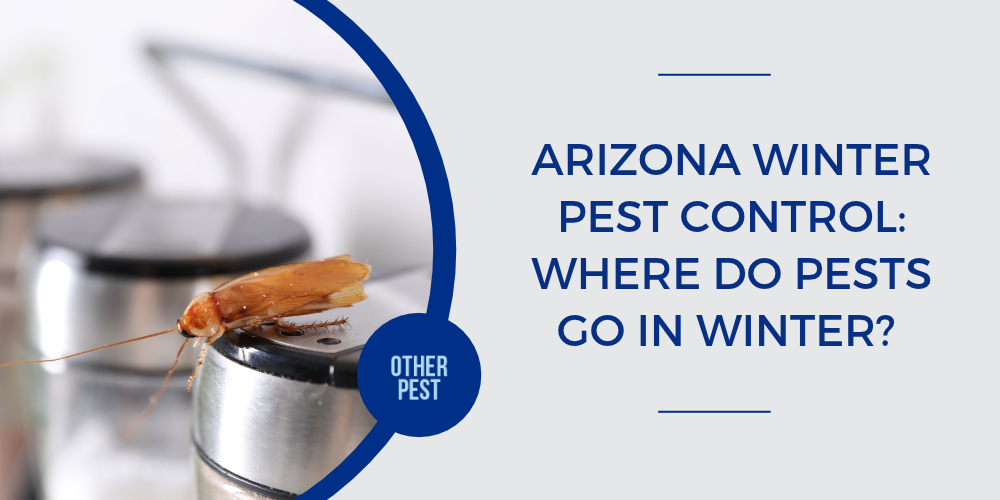
Cockroaches thrive in warm environments, making homes the ideal place to escape to. They are most often found in kitchens and bathrooms because they provide access to food, water, and warmth. Unlike other outdoor pests, cockroaches can keep feeding and reproducing all winter indoors.
Ants
To survive the winter, most ants retreat deep into their underground nests, where temperatures are more stable. They become less active and spend less time searching for food. But Arizona’s milder winters mean they don’t always stay hidden. On warm days, some return to the surface and others head indoors looking for food and water.
Why Winter Pest Control Matters
Without regular prevention, pests can find their way inside and settle into areas where they won’t be noticed. Once inside, they can contaminate food and continue to reproduce. Winter is a smart time to treat because cooler temperatures and less intense sun help some outdoor treatments last longer. Staying on top of pest control now can reduce pest activity when temperatures rise in spring.
How to Keep Pests Out of Your Home This Winter
Keeping homes pest-free doesn’t have to be complicated. A few preventative steps and the right DIY pest control products from Bug & Weed Mart can help keep unwanted pests outside where they belong.
One of the easiest ways to protect homes from unwanted pests is by sealing cracks and gaps around doors, windows, and foundations. Inside, store food in sealed containers and clean up crumbs, spills and other messes promptly.
Maintain a Perimeter Barrier
Apply the right pest control products around the home’s exterior, including entry points like doors and windows, to stop crawling insects from getting inside. Make sure to follow proper instructions for application and consult one of our experts on how often to reapply.
Clear and Treat Common Hiding Spots
Pests often hide in wood piles, yard debris, garages, and other undisturbed areas. Clear away debris regularly and check these areas for signs of activity. If treatment is necessary, our experts are available to help pinpoint the correct product for the exact pest and location.
When Should You Apply DIY Pest Control Products in Winter?
During winter, timing comes down to weather. Apply liquid treatments early in the afternoon when it’s warmest and check product labels for any minimum temperature. This time of day gives the product time to dry before temperatures cool overnight. Rain can wash product away before it gets the chance to work, so hold off on treatment if rain is in the forecast. Because most pests are tucked into sheltered spots this time of year, focus treatment on the home’s entry points.
If you’re seeing more pests than you’d like this winter, bring your questions to your local Bug & Weed Mart. Tell our experts what you’re finding and where, or bring a photo, and they’ll help you choose the right product and show you how to use it.