


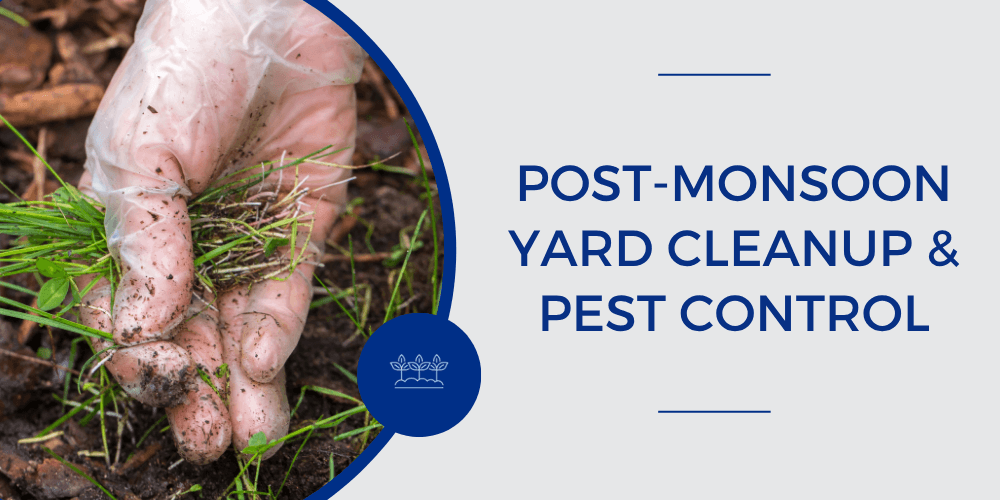
By August, Arizona homeowners have usually experienced several rounds of monsoon storms. The rain may provide temporary relief from the extreme summer heat, but it can also leave backyards looking overgrown, cluttered and in need of preparation for the months ahead. Weeds often pop up quickly after a storm; shrubs and trees may become overgrown, and yard maintenance tasks can pile up during a hot, busy summer of traveling, family time and work.
Before reaching for weed or pest control products, August is the ideal time for a backyard reset. Cleaning and organizing outdoor spaces beforehand can improve the effectiveness of future treatments, reduce potential hiding places for pests and make it easier to maintain your yard as monsoon season continues and fall approaches.
Backyard Cleanup
The first step is to walk through your yard and take note of anything overgrown that may interfere with weed and pest control treatments. Products work best when treatment areas are open, accessible, and free from unnecessary clutter. Next, gather and put away toys, gardening tools and other outdoor equipment, then store them in a designated location. Look for bulky items that may be lying around the property, including old tires, automotive parts, unused building materials, empty pots or broken outdoor furniture. Wood piles also require attention. When wood is stacked directly against the house or left scattered around the yard, it can create protected spaces for insects and other pests to hide. Restack firewood neatly and, when possible, relocate it away from the home’s exterior walls. Cleaning up these areas improves the appearance of your property and gives you a clearer view of the ground and perimeter areas that may need to be treated.
Trim Vegetation
Trees, shrubs, and other plants can grow quickly during the summer, especially after receiving monsoon moisture and summer sun. Check for branches that are touching the roof, hanging over exterior walls, or brushing against windows and doors. Overhanging limbs can create easy pathways for insects to reach the home. Dense shrubs and plants growing against the foundation can also create shaded, protected areas where pests may hide.
Trim vegetation away from the structure and remove dead or damaged branches. This will improve airflow, make the exterior of the home easier to inspect, and help ensure that perimeter treatments can be applied evenly.
Remove Dead Weeds & Debris
Monsoon rains often trigger a noticeable increase in weed growth. By late summer, some weeds may still be actively growing, while others may have dried out and left dead vegetation behind. Before applying any weed control products, remove dead weeds, tumbleweeds, dried grasses, fallen branches, and dead plants from landscape beds. Clearing the material exposes the soil and makes it easier to see where new weeds are beginning to emerge.
Removing dead vegetation also eliminates potential shelter for insects. Large piles of weeds, leaves, and plant debris can hold moisture and create protected areas that attract pests. Do not forget to inspect corners, fence lines, gravel areas and spaces behind sheds or outdoor storage.
Cleaning the yard in August provides a clean environment for weed treatments. Once dead vegetation and clutter are removed, it’s easier to identify active weeds, apply products evenly and prevent future growth.
Reduce Pest Hiding Places
A cluttered backyard also provides shelter for common Arizona pests. Wood, stored materials, thick vegetation, outdoor equipment, and landscape debris all provide cool, shaded areas where insects can remain protected from the heat. Reducing these hiding places is an important part of any pest control routine. Products can help manage pest activity, but keeping the yard clean makes it more difficult for pests to settle close to the home.
Pay particular attention to items that remain undisturbed for several months. Carefully move or organize while watching for signs of insect activity underneath or behind equipment, garden accessories, and furnishings. Keeping the yard organized also makes regular inspections easier, allowing you to identify new pest activity before it becomes a larger problem.
Inspect Your Application Equipment
Once the yard is cleaned up, take time to inspect the equipment you plan to use. A properly functioning sprayer and granule spreader are essential for applying products safely, evenly and according to the label instructions. Check your pump sprayer, hose-end sprayer, granule spreader, nozzles, hoses, seals and fittings.
Test equipment with water before treatment day and look for:
- Clogged nozzles
- Cracked hoses
- Worn seals
- Leaks
- Difficulty building pressure
Discovering an equipment problem after purchasing products can delay the entire project. Testing everything ahead of time gives you a chance to replace a damaged part or purchase a new sprayer or spreader before you’re ready to apply products.
Bug & Weed Mart offers free equipment inspection and maintenance for tank sprayers. Even if a sprayer was purchased elsewhere, bring it by one of our stores, and we will find the right parts to get it up and running again before application day.
At Bug & Weed Mart, we have the professional-grade weed and pest control products, sprayers, spreaders, equipment parts, and expertise needed to help you tackle DIY weed and pest control. Stop by one of our locations to discuss your yard and create a straightforward plan for the season ahead. A little preparation now can help keep your property clean, manageable, and better protected throughout the rest of the year.